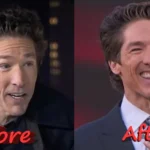
Give the internet one unusually full cheek, and it will invent an entire appointment history. A star appears in a close-up, someone types “filler,” and suddenly every older photograph is evidence in a case nobody has proved.
Dermal fillers really can change a face. What makes the celebrity version fascinating is how often the story shifts when the person in the photographs finally speaks.
Kylie Jenner turned lip filler into a public conversation; Courteney Cox described having hers dissolved; Ariana Grande discussed stepping away from injections altogether. Three famous faces, three very different relationships with the same beauty-world buzzword.

What Are Dermal Fillers—and Why Can a Small Change Look So Big?
Dermal fillers are injectable materials used to add volume or alter the contour of selected areas, including the lips and cheeks. A small change can affect how neighboring features look in photographs, even when the rest of the face has not been altered.
Think about a fuller lip beside a familiar smile, or cheeks that catch light differently at a premiere. The eye notices the shift before the brain can explain it, and the comment section fills in the blank with astonishing confidence.
- Lips: Fullness, outline, and the balance between upper and lower lip.
- Cheeks: Volume and the way light falls across the middle of the face.
- Other contours: Some fillers are used to change the appearance of facial lines or definition.
Those are possible effects, not a checklist for identifying someone’s treatment from a selfie. A person can look fuller in one picture and completely different an hour later under another set of lights.
Why Did Kylie Jenner’s Lips Become the Filler Story Everyone Remembers?
Kylie Jenner’s lip-filler reveal became a defining celebrity beauty moment because intense public speculation finally met her own confirmation. In a 2015 Keeping Up With the Kardashians clip, she acknowledged having temporary lip fillers.
By then, her lips were already being discussed like a cultural event. The questions were no longer limited to what changed; fans wanted to know how much of the look came from injections, makeup, or the precision of a sharply drawn lip line.
Her original on-camera admission, shared by E!, answered the central question about lip filler. It did not validate every other procedure the internet attached to her face. Our Cosmetic Procedures guide explains how lip fillers fit into the wider conversation about facial treatments.
That is the part celebrity timelines love to skip. One confirmed treatment is one confirmed treatment. It is not an all-access pass to invent the rest.

What Did Courteney Cox Actually Say About Dissolving Her Fillers?
Courteney Cox said she had her fillers dissolved and felt more like herself afterward. Her account was about her own changing relationship with her appearance, not a universal verdict on how anyone else should look.
In a candid 2017 NewBeauty interview, Cox described how gradual changes had become hard for her to notice until she saw photographs. For a closer look at the public conversation around her changing appearance, read our Courteney Cox plastic surgery story.
Her comments are often flattened into “celebrity regrets fillers.” The more interesting version has a timeline, a changing point of view, and the unsettling experience of seeing your own face turned into a public debate.
It also exposes a familiar mix-up. Cox spoke specifically about fillers; a headline that reduces the whole story to “too much Botox” loses the very distinction that makes it worth telling.
Why Did Ariana Grande Step Away From Lip Filler?
Ariana Grande said she stopped getting lip filler and Botox in 2018 because the treatments had begun to feel like too much for her. She discussed that decision herself in a 2023 Vogue beauty video.
What started as a makeup tutorial took an unexpected turn when she spoke about years of lip filler and how her feelings about beauty had changed. There was no grainy paparazzi comparison and no anonymous “insider”—just Grande explaining her own earlier choices on camera.
In her Vogue beauty video, Grande described a different relationship with cosmetic treatments while still enjoying the fun of makeup. Her comments about Botox also connect to our celebrity Botox guide.
Her remarks describe where she stood when she made them. They should not be stretched into a claim about every choice she has made since.
Why Does Every Rounded Cheek Get Called “Pillow Face”?
Rounded cheeks get labeled “pillow face” because the nickname is an easy shorthand for any look viewers perceive as unusually full or puffy. It is not proof that a particular person has dermal fillers.
There are plenty of ways a face can photograph as rounder: weight changes, temporary swelling, makeup, a different lens, or lighting that erases familiar shadows. Even a smile can lift and bunch the cheeks enough to change the whole frame.
For a celebrity who has spoken about filler-related swelling herself, take a look at our Dolly Parton plastic surgery story. Her account is more useful than guessing what happened from one close-up.
The photo trap: “Her cheeks look fuller here” describes an image. “She definitely got too much filler” claims knowledge of a treatment. Those are two very different statements.
Then comes the inevitable forensic thread: zoomed-in screenshots, red circles, and a conclusion delivered with the certainty of someone who was apparently in the room. Was it filler, or did a harsh flash simply turn a normal cheek into a trending topic?
What Is “Filler Migration,” and Can a Selfie Reveal It?
Filler migration means filler material moving away from the area where it was injected. It has been reported, but a selfie cannot reliably establish that it happened to a celebrity.
Online, the term gets applied to almost any unfamiliar line around the mouth. A lip border looks softer than it did last year? Someone calls it migration before checking the angle, the lipstick, or whether the photo has been edited.
The term has a real meaning—the FDA lists migration among reported filler risks—which is exactly why using it as a nickname for every blurry lip photo makes the conversation less useful.
It is possible to notice a visual difference without claiming to know the material, placement, or history behind it. That distinction may be less viral, but it is a much better story.
Can Dermal Fillers Be Dissolved and the Old Face Restored?
Some hyaluronic-acid fillers can be reduced or dissolved, but “dissolved” does not promise an exact return to an earlier face. Other filler materials can be much harder—or impossible—to remove completely.
That is why a celebrity saying she dissolved her filler is an important update, not a magic rewind button. Our Bhad Bhabie plastic surgery timeline follows one public story of filling, dissolving, and revisiting the decision over time.
Cox’s account is memorable because she told it herself. The question of whether every fan would have guessed the change correctly from photos alone is another matter entirely.
Are Dermal Fillers and Botox the Same Thing?
No—dermal fillers add volume or alter selected contours, while Botox temporarily reduces activity in targeted muscles. Both can come up in the same celebrity story, but they do different jobs.
A fuller lip and a forehead that creases less are different observations. Yet the two treatments get swapped in headlines so often that “Botox” has practically become a generic word for “something looks different.”
For that side of the story, read our Botox in Hollywood guide. Our broader Cosmetic Procedures overview shows where fillers, injections, and surgery fit into the same conversation.
Can a Before-and-After Photo Prove Someone Had Fillers?
No. A before-and-after photo can show a difference in appearance, but it cannot prove that dermal fillers caused it without a reliable statement or other direct evidence.
A “before” image might show a bare-faced person talking under fluorescent lights. The “after” might be a campaign portrait with contour makeup, a different focal length, retouching, and a photographer who knows exactly how to catch the light.
- What the image shows: A visible difference under the conditions in those two frames.
- What it cannot show: The product used, the amount, or whether anything was injected at all.
- What changes the story: A dated, specific statement from the person involved.
Even confirmed filler use has limits as evidence. Kylie discussing her lips does not prove a rumor about her cheeks; Ariana discussing past treatments does not tell us what happened between every two photographs of her.

What Is the Celebrity Filler Story Worth Paying Attention To?
The story worth following is how a public figure’s own account compares with the narrative built around their photos. Fillers may be the subject, but timing, personal taste, and public pressure are what turn them into celebrity news.
Kylie’s admission ended one guessing game and started several others. Cox described reversing a change she no longer liked. Grande explained why she stepped back from treatments that had once been part of her routine.
None of those stories fits neatly inside a red circle on a before-and-after image. And that is what makes them good stories: famous faces change, but the reasons are usually more interesting than the comment section’s first guess.